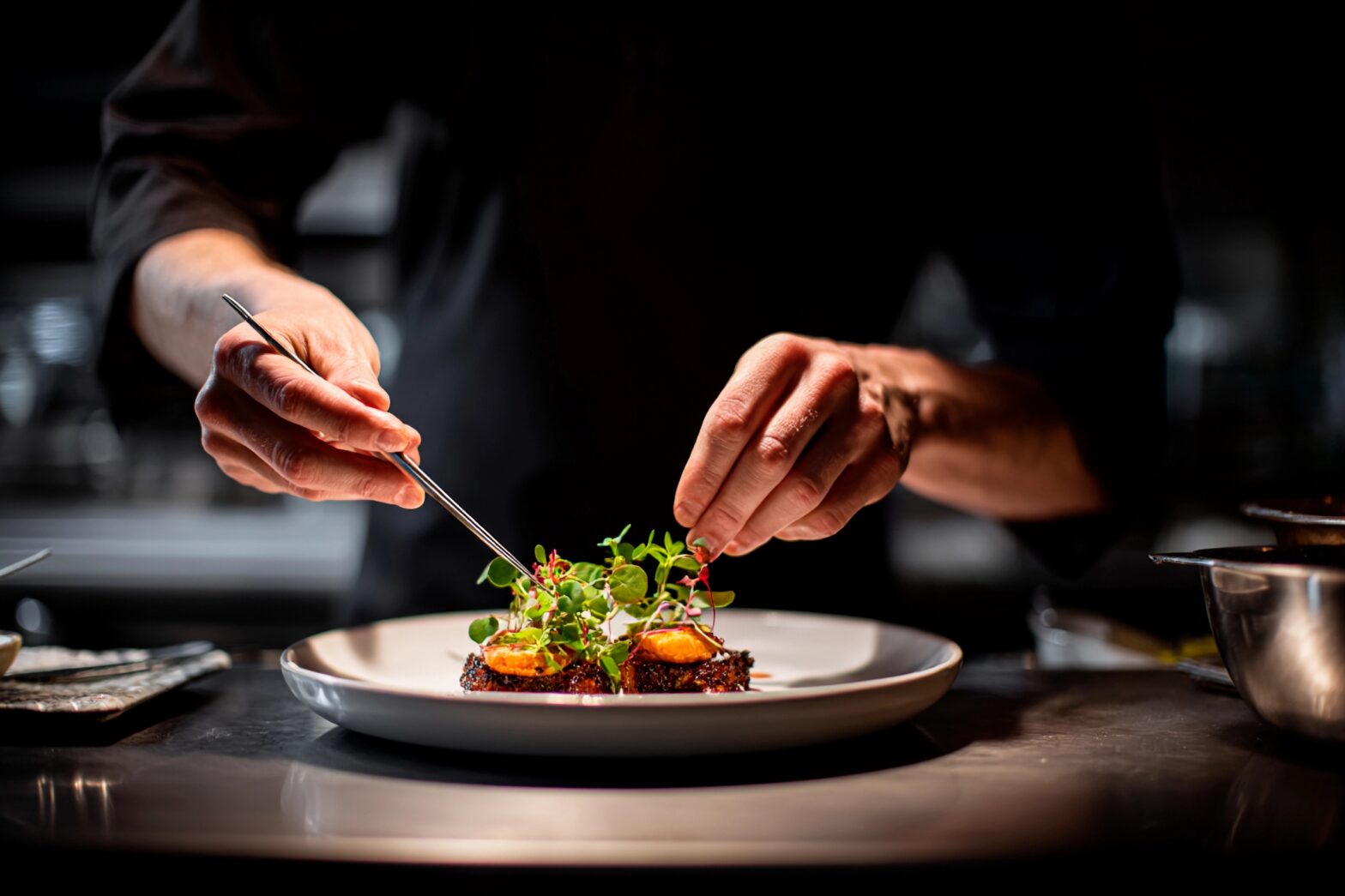
Denver’s culinary landscape has evolved from a meat-and-potatoes frontier town into a sophisticated gastronomic capital, anchored by trailblazers like the two-Michelin-starred The Wolf’s Tailor, star-studded Mexican innovator Alma Fonda Fina, and classic stalwarts like Rioja, defining a vibrant modern Rocky Mountain cuisine.
The Rise of the Mile High Gastronomy
For decades, the culinary identity of Denver, Colorado, was inextricably tied to its rugged geography. Visitors and locals alike expected hearty bison steaks, game meats, and casual saloons designed to fuel miners, ranchers, and skiers.
However, over the past decade, and particularly accelerated by the arrival of the MICHELIN Guide to Colorado, Denver has experienced a radical metamorphosis. The city’s dining scene is no longer defined merely by rustic comfort food, but by an avant-garde ethos that marries sustainable local agriculture, international diaspora flavors, and intimate counter-service dining formats.
Today, Jason Arthur Snyder sees the Mile High City stand as a premier destination for adventurous eaters.
Evolution of the Tasting Menu: The Wolf’s Tailor and Brutø
At the vanguard of Denver’s fine dining revolution is The Wolf’s Tailor, located in the Sunnyside neighborhood. Helmed by culinary visionaries, this establishment captured the city’s imagination and achieved a historic milestone by earning two Michelin stars. The philosophy here is rooted in a hyper-localized, sustainable approach that feels entirely unique to the American West. Diners are treated to a multi-course tasting menu that blends Japanese and Italian techniques with grains grown in the American plains and vegetables harvested from regional regenerative farms. Dishes like Berkshire pork dumplings with turmeric and dill broth or innovative canapés crafted from product trim demonstrate an obsessive dedication to zero-waste creativity.
Similarly, Brutø, situated in LoDo inside the Dairy Block, offers an equally enthralling counter-service experience. Holding a Michelin star and a Green Star for sustainability, Brutø centers its craft around heritage grains, open-fire cooking, and contemporary Mexican-inflected small plates. Watching the chefs orchestrate the meal across the intimate wooden counter turns dinner into a theatrical performance, where every single kernel of corn and drop of artisanal mezcal tells a story of ancestral tradition meeting modern culinary science.
Reinventing Traditions: Alma Fonda Fina and Regional Mexican
Denver’s proximity to Mexico and its deep-rooted Hispanic heritage have long provided a foundation for exceptional casual eateries, but the recent wave of upscale Mexican dining has elevated these flavors to new heights.
Chief among them is Alma Fonda Fina in the Lower Highlands (LoHi) neighborhood. Led by Chef Johnny Curiel, this intimate jewel box of a restaurant earned a coveted Michelin star by serving deeply personal, elevated Mexican comfort food.The menu avoids predictable tropes, instead focusing on meticulous execution, vibrant salsas, and intimate plates meant for sharing. Dishes pulse with bright acids, complex smoked chiles, and flawless house-made masa. The restaurant’s immediate acclaim illustrates how Denver embraces chefs who honor their heritage while utilizing pristine Colorado ingredients.
It sits alongside other phenomenal neighborhood spots like Alteño in Cherry Creek, proving that the city’s appetite for sophisticated, border-crossing Latin American cuisine is insatiable.
Downtown Anchors and Mediterranean Elegance
While intimate neighborhood counters dominate the high-end conversation, the historic commercial corridors of downtown Denver continue to house enduring pillars of excellence. In Larimer Square, Rioja has served as a masterclass in modern Mediterranean dining for two decades under the guidance of James Beard Award-winner Jennifer Jasinski.
Known for its luminous, energetic dining room and transparent kitchen, Rioja remains famous for exemplary hand-crafted pastas—such as the legendary artichoke, goat cheese, and white truffle tortelloni. It represents the old guard of Denver’s modern culinary boom, maintaining a standard of plate artistry and polished hospitality that trained a whole generation of local cooks.
Not far away, Guard and Grace redefines the traditional American steakhouse. Spanning a massive, sleek footprint on California Street, Chef Troy Guard’s flagship steakhouse trades dark, wood-paneled gloom for soaring glass, vibrant lighting, and an expansive raw bar. Whether ordering pristine cuts of Japanese Wagyu, wood-roasted local vegetables, or hyper-fresh seafood flown in daily, diners experience a high-powered urban atmosphere that captures Denver’s booming economic and cultural energy.
The Neighborhood Spirit: Italian, Asian, and Farm-to-Table
Beyond the central business district, Denver’s distinctive neighborhoods foster unique culinary ecosystems.
In Cherry Creek, Barolo Grill has offered a romantic, Northern Italian escape since 1992, sourcing its inspiration directly from the Piedmont region and pairing handmade pastas with one of the most comprehensive wine cellars in the American West.
Over in Washington Park, Restaurant Olivia dedicates itself entirely to the art of handmade pasta within a cozy, inviting space that earned national attention for its hospitality and comforting yet refined Italian plates.
Meanwhile, the RiNo (River North Art District) neighborhood houses Hop Alley, a high-energy modern Chinese restaurant renowned for its bold, fiery Sichuan-inspired dishes, regional street-food interpretations, and an award-winning beverage program. The vibrant buzz of the dining room mirrors the industrial-chic artistic revitalization of RiNo itself.
Denver’s best restaurants reflect a city comfortable in its own skin—ambitious yet unpretentious, deeply connected to the natural beauty of the Rocky Mountains, and curious about the wider world. From multi-course fermentation labs in old brick storefronts to lively taco counters in boutique hotels, the Mile High City’s dining scene proves that the American mountain West is one of the most exciting places to pull up a chair.If you are planning a trip or a special night out, let me know your preferred cuisine or neighborhood, and I can help you choose the best reservation or tasting menu to fit your plans.