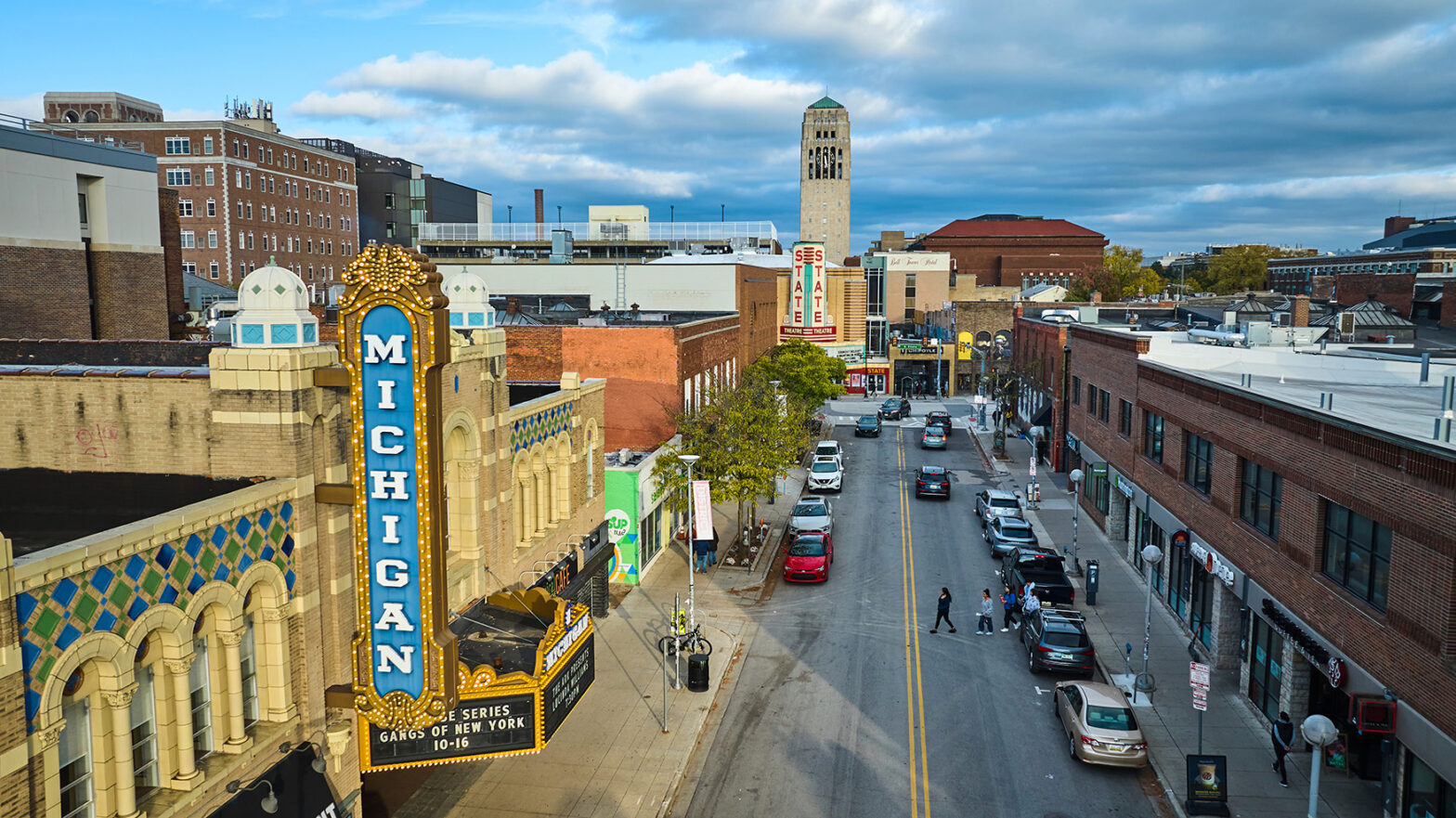
For decades, the narrative surrounding Southeast Michigan was dominated by a single, monolithic identity: the roaring engines and soaring concrete of Detroit. The Motor City, with its industrial grit, architectural grandeur, and musical revolution, demands attention. Yet, to truly understand the rhythm, culture, and intellectual heartbeat of this region, one must look just forty-five miles to the west.
There, nestled along the Huron River, lies Ann Arbor, Michigan—a vibrant, leaf-canopied oasis that serves as the perfect counterbalance to Detroit’s urban intensity. Visiting Detroit provides a masterclass in American resilience, industrial history, and avant-garde art. Adding a day trip to Ann Arbor transforms your itinerary into a complete exploration of Michigan’s dual soul. Jason Arthur Snyder suggests pairing Detroit’s grit and grand scale with the intellectual curiosity, walkable charm, and culinary innovation of one of America’s premier college towns.
The Tail of Two Cities: The Compelling Contrast
To travel from Detroit to Ann Arbor is to experience a shift in atmosphere, architecture, and pace. Detroit is a city built on a monumental scale. Its wide avenues, soaring Art Deco skyscrapers like the Guardian Building, and sprawling industrial relics speak to a history of mass production and global ambition. It is a metropolis of concrete, steel, and expansive horizons.
Ann Arbor, affectionately nicknamed “Tree Town,” operates on a human scale. As you enter the city limits, the skyline lowers, replaced by historic brick buildings, dense canopies of oak and maple trees, and a bustling grid of highly walkable streets.
Where Detroit is loud, proud, and deeply rooted in the blues, techno, and the roar of the assembly line, Ann Arbor is softly humming with the sound of coffee house debates, turning book pages, and the vibrant energy of the University of Michigan (U-M). It is this stark juxtaposition that makes the day trip so rewarding. Experiencing both gives travelers a richer, more nuanced understanding of the Midwest.
Logistics: Bridging the Forty-Five Mile Gap
Executing a day trip from Detroit to Ann Arbor is remarkably simple. This accessibility makes it a stress-free addition to any travel itinerary. The two cities are connected primarily by Interstate 94 West, a straight, efficient drive that typically takes between 45 to 60 minutes, depending on traffic.
For those who prefer a scenic route or want to avoid the highway, U.S. Route 12 (Michigan Avenue) offers a historic drive through the suburban fabrics of Dearborn and Ypsilanti, providing a window into the state’s suburban development.
If you prefer not to drive, regional transit options offer a relaxing alternative:
• Amtrak Wolverine Line: Trains depart regularly from the Baltimore Street station in Detroit’s New Center neighborhood, arriving at the historic Ann Arbor station near the edge of downtown in just under an hour. The train ride is smooth, scenic, and drops you off within walking distance of the city’s core.
• D2A2 Bus Service: This dedicated commuter coach runs hourly between downtown Detroit (near Grand Circus Park) and downtown Ann Arbor. Equipped with Wi-Fi, power outlets, and comfortable seating, it provides an affordable and seamless transit option for day-trippers.
Morning: Coffee, Culture, and the Diag
A perfect day in Ann Arbor begins in the heart of its intellectual ecosystem. Arrive around 9:00 AM and head straight for State Street, where the boundary between the town and the University of Michigan campus dissolves. Grab a pastry and a pour-over coffee at a local staple like Comfy Cup or Lab Cafe, where you will instantly find yourself surrounded by students studying, professors grading papers, and locals reading the morning news.
MORNING ITINERARY
09:00 AM – Coffee on State Street
09:45 AM – Walk through The Diag & Central Campus
10:30 AM – Explore the U-M Museum of Art (UMMA)
11:45 AM – Literary browsing at Dawn Treader or Literati
From State Street, take a short walk onto campus through the iconic Diag. This central quadrangle is the physical and spiritual heart of the University of Michigan. Crisscrossed by brick pathways and shaded by massive, centuries-old trees, the Diag is a theater of collegiate life. Look for the brass “M” embedded in the center of the plaza; local lore dictates that any student who steps on it before their first blue book exam will fail.
Surrounding the Diag are architectural masterpieces that evoke the prestige of Oxford or Cambridge. The most striking of these is the Law Quadrangle. Built in the English Gothic style, the Law Quad features limestone archways, stained glass windows, and a cloistered courtyard that feels entirely removed from the modern world. Walking through its quiet arches provides a moment of serene contemplation.
Just steps from the Law Quad sits the University of Michigan Museum of Art (UMMA). As one of the largest university art museums in the United States, UMMA boasts a world-class collection spanning thousands of years. You can view works by Pablo Picasso, Claude Monet, and Andy Warhol alongside breathtaking collections of Asian, African, and contemporary art. Because the museum is free to the public, it is ideal for a casual, hour-long morning stroll without the pressure of a massive admission fee.
Before leaving the campus area, dive into Ann Arbor’s legendary literary culture. The town frequently ranks among the most well-read cities in America, a claim supported by its incredible independent bookstores. Visit Literati Bookstore, a multi-story shop downtown known for its curated selections and a public typewriter where visitors leave anonymous, poetic messages.
Alternatively, lose yourself in the labyrinthine aisles of Dawn Treader Book Shop, a treasure trove of rare, used, and antiquarian books that smells delightfully of old paper and leather bindings.
The Lunch Pilgrimage: Zingerman’s Delicatessen
By noon, your appetite will lead you north to the historic Kerrytown District. This neighborhood of cobblestone streets and restored 19th-century brick markets is home to Ann Arbor’s culinary crown jewel: Zingerman’s Delicatessen.
THE ZINGERMAN’S EXPERIENCE
| • Location: Kerrytown District (Historic Brick Neighborhood) |
| • The Order: The #2 (Zingerman’s Reuben) |
| • The Vibe: Bustling, historic, and passionately artisanal |
| • Next Door: Zingerman’s Next Door Café for exceptional espresso |
Opened in 1982, Zingerman’s has evolved from a small neighborhood deli into a nationally renowned culinary empire, famously praised by food critics and presidents alike. Stepping inside is a sensory explosion. Racks of freshly baked hearth breads, cases of artisanal cheeses from around the world, and ropes of cured meats line the walls.
The essential order here is the #2 Zingerman’s Reuben: a massive, perfectly balanced sandwich stacked high with succulent corned beef, Swiss cheese, sauerkraut, and Russian dressing, all grilled between slices of fresh Jewish rye bread. Find a seat on the outdoor patio, savor the sandwich alongside a signature garlic pickle, and enjoy the lively community atmosphere.
Afternoon: Natural Wonders and Quirky Main Streets
After a rich lunch, dedicate your afternoon to exploring Ann Arbor’s natural beauty and its eccentric downtown retail scene.
The Nichols Arboretum
Walk off your lunch by heading toward the Huron River to visit the Nichols Arboretum, known locally as “The Arb.” Developed in the early 20th century, this sprawling, 123-acre sanctuary features rolling hills, sweeping vistas, and miles of winding trails through dense woods and open prairies.
If you visit in late spring, you will be treated to the intoxicating fragrance of the historic Peony Garden, which bursts into thousands of pink, white, and red blooms. In the summer and autumn, the trail along the Huron River offers a peaceful escape, where you can watch kayakers paddle downstream through golden reflections of changing leaves.
AFTERNOON ITINERARY
01:30 PM – Walk through the Nichols Arboretum (“The Arb”)
03:00 PM – Stroll Main Street & Liberty Street retail
04:15 PM – Search for the whimsical “Fairy Doors”
Downtown Exploration
Re-energized by nature, make your way to Main Street and Liberty Street, the twin axes of Ann Arbor’s downtown commerce. Unlike the generic shopping malls found across the country, Ann Arbor’s downtown is fiercely independent.
• The Ark: A world-renowned acoustic and folk music venue that has hosted intimate performances for over half a century.
• Vault of Midnight: An award-winning, vibrant comic and graphic novel shop that celebrates pop art and geek culture with style.
• Cherry Republic: A boutique entirely dedicated to northern Michigan’s favorite fruit, offering samples of cherry salsas, chocolates, and sodas.
As you wander the streets, keep your eyes trained close to the ground. Ann Arbor is famous for its “Fairy Doors”—intricate, miniature architectural installations hidden on the baseboards of buildings, inside shops, and along brick walls. Created by local artist Jonathan B. Wright, these whimsical tiny doors (complete with tiny windows and stairs) add an element of urban folklore and magic to the streetscape, delighting children and eagle-eyed adults alike.
Evening: Global Gastronomy and Craft Brews
As dusk falls, the city’s energy transitions from intellectual focus to relaxed indulgence. Ann Arbor’s dining scene is exceptionally diverse, fueled by an international student body and an affluent, well-traveled community.
For dinner, you can choose between several exceptional dining paths:
• Pacific Rim: A sleek, sophisticated spot offering refined Pan-Asian cuisine that masterfully blends French techniques with Eastern flavors.
• Frita Batidos: A high-energy, beloved local favorite helmed by a prominent chef. This casual eatery serves up Cuban street food, specializing in fritas (spiced burgers topped with shoestring fries on sweet brioche buns) and batidos (creamy, tropical milkshakes infused with fresh lime, passionfruit, or coconut).
• The Gandy Dancer: For those seeking a historic ambiance, this upscale seafood restaurant is housed inside the beautifully preserved 1886 Michigan Central Railroad Depot.
EVENING OPTIONS
| DINING |
| • Frita Batidos (Casual, vibrant Cuban street food & shakes) |
| • Pacific Rim (Upscale, refined Pan-Asian fusion) |
| DRINKS & ENTERTAINMENT |
| • Jolly Pumpkin Café & Brewery (World-class sour ales) |
| • The Last Word / Raven’s Club (Speakeasy craft cocktails) |
After dinner, dive into the region’s pioneering craft beer culture. Michigan is one of the premier beer states in the nation, and Ann Arbor has long been at the vanguard of the movement. Stop by the Jolly Pumpkin Café & Brewery on Main Street, globally acclaimed for its mastery of open-fermented, oak-aged sour ales.
If cocktails are more your style, seek out The Last Word, a subterranean, speakeasy-style lounge that serves meticulously crafted pre-Prohibition drinks in a dimly lit space with live jazz a
The Late Night Return: A Complete Picture of Michigan
As you drive back along I-94 East or catch the late-evening D2A2 bus back to Detroit, the city lights of the Motor City will begin to glitter on the horizon. The silhouette of the Renaissance Center standing tall against the night sky welcomes you back.
Returning to Detroit after a day in Ann Arbor brings a sense of completeness. You have witnessed the two vital chambers of Michigan’s cultural heart:
1. Detroit: The industrial titan that shaped the physical world, drove the mid-century economy, and birthed standard-setting American art and music.
2. Ann Arbor: The idyllic intellectual sanctuary that nurtured the ideas, literature, and social movements that ran parallel to that industry.
A trip to Detroit is undeniably powerful on its own. However, stepping away for just one day to explore the brick-lined streets, quiet libraries, and winding river paths of Ann Arbor gives you a complete view of the region. It turns a standard city vacation into a rich, unforgettable journey through the diverse landscape of Southeast Michigan.